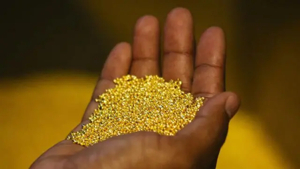
Gold Nuggets: Top Buying Guide for Collectors, Investors & Jewellers in 2026
Gold nuggets have captivated human imagination for thousands of years — and in 2026, demand for natural gold nuggets from investors, jewellers, and collectors has never been stronger.
Unlike gold bars or gold coins, which are refined and minted to standardised specifications, natural gold nuggets carry something entirely their own: each piece is unique, formed over millennia by geological forces, and impossible to replicate. No two are ever the same.
Whether you are looking to buy gold nuggets for investment, building a collection of natural gold specimens, sourcing raw material for bespoke jewellery, or simply trying to understand how much gold nuggets are worth, this guide covers everything you need to make informed, confident decisions in the 2026 market.
From understanding how nugget pricing works, to identifying real gold versus pyrite, to knowing the best places to buy gold nuggets safely — including why sourcing directly from Africa delivers the most authentic, cost-effective access to natural gold available anywhere — this is the only guide you need.
What Are Gold Nuggets? Formation, Types, and Why They Are Rare
Gold nuggets are naturally occurring pieces of elemental gold, broken away from their original host rock through weathering and geological erosion over thousands of years. Unlike refined gold bars, which are produced in a factory to precise specifications, natural gold nuggets form in riverbeds, alluvial deposits, and ancient quartz veins through processes that cannot be accelerated or manufactured.
Most nuggets are found in alluvial deposits — riverbeds and stream channels where water has gradually eroded gold-bearing rock over millennia, carrying gold particles downstream and depositing them where water slows. Over time, fine gold flakes accumulate and can form larger masses.
This is why gold panning — sifting through riverbed sediment — has been the prospector’s foundational technique for centuries.
Other nuggets are recovered from hardrock mining, where gold-bearing quartz veins are excavated and the gold extracted from the surrounding matrix. These vein-hosted specimens often still contain visible quartz attached to the gold, making them particularly prized by collectors.
The Main Types of Natural Gold Nuggets
Placer nuggets are the most commonly traded type. Rounded and smoothed by water movement, they are recovered from riverbeds and alluvial gravels. They range from tiny flakes of under a gram to significant masses weighing many ounces. These are the nuggets most buyers picture when they search for natural gold nuggets for sale.
Specimen nuggets are large, well-formed pieces prized above all others by serious collectors. Their size, formation quality, and aesthetic character put them in a category well above their bullion value — premium specimen nuggets from Africa, Alaska, or Australia routinely sell for multiples of the raw gold price per gram.
Vein or quartz-hosted nuggets feature gold intergrown with quartz or other rock matrix, retaining their geological context. The visual combination of bright gold against white quartz creates some of the most striking natural gold pieces in existence. These are highly valued in both the collector market and the jewellery trade.
Crystalline gold nuggets are the rarest of all — pieces where the gold has formed visible crystal structures rather than the more common amorphous mass. A genuine crystalline gold specimen is extraordinarily scarce and commands prices far above simple bullion value. If a seller offers “crystalline gold nuggets” at ordinary bullion pricing, treat that as an immediate red flag.
Raw gold flakes are the smallest category — sub-gram particles recovered from riverbed panning. They are the starting point for many investors and are available at accessible price points, making them a practical entry into natural gold ownership.
How Are Gold Nuggets Graded and Classified? A Practical Buyer’s Reference
Understanding how nuggets are assessed helps you evaluate listings accurately, avoid misrepresentation, and pay a fair price for what you actually receive.
Size and Weight: Why They Matter More Than They Appear
Nugget size is quoted in grams or troy ounces (1 troy oz = 31.1035 grams). However, two nuggets of identical weight can look very different depending on their density distribution and shape. A flat, pancake-like nugget may appear much larger than a compact, rounded nugget of the same weight — and the rounded piece will typically be worth more to a collector because its formation better represents the classic nugget shape.
Always verify that any listing includes a scale reference — a ruler, a coin, or a clearly labelled measurement in the photograph. Listings without scale references make it impossible to judge proportionality.
What to Look for When Inspecting a Gold Nugget
Surface condition — natural placer nuggets have an organic, irregular surface with small pits and lumps from their formation journey. A surface that looks suspiciously uniform, too smooth, or cast-like is a warning sign that the piece may be manufactured rather than naturally occurring.
Colour and lustre — high-purity natural gold has a warm, rich yellow colour with a characteristic metallic sheen. Unusually pale, brassy, or greenish-yellow colour often indicates significant silver or copper alloying, reducing the gold content and thus the value.
Natural purity range — natural gold nuggets from African goldfields typically range from 85% to 98% pure gold (roughly 20K–23K), with the balance comprising naturally occurring silver and trace minerals. This natural alloying is not a flaw — it is the geological fingerprint of genuine natural gold. Be sceptical of sellers claiming 99.99% pure natural nuggets, as that level of purity requires refining.
Provenance documentation — the best nugget listings include information about the specific goldfield, mine, or country of origin. African gold nuggets from Uganda’s Karamoja region, Congo’s Ituri goldfields, or Ghana’s Ashanti Belt carry known geological characteristics that experienced buyers can verify.

Gold Nugget Value: How Pricing Works in 2026
Gold nugget pricing is more nuanced than refined gold pricing, because natural nuggets carry a premium above their raw gold content that varies based on multiple factors. Understanding this premium structure is essential before you buy.
The Spot Price Baseline
Every nugget’s minimum value is its bullion value — the weight in grams multiplied by the gold purity percentage, multiplied by the current gold price per gram. With gold spot at approximately $139 per gram for 24K gold in mid-2026, a 10-gram nugget at 90% natural purity has a baseline bullion value of around $1,251.
But for most natural nuggets — especially anything above 5 grams with a good formation — the actual market price is higher than this baseline. Sometimes significantly higher.
The Collector Premium: What Pushes Prices Above Bullion
Size is the single most powerful driver of collector premium. Large nuggets are disproportionately rare — the geological processes that form them take far longer and require very specific conditions. A 50-gram placer nugget is not just five times rarer than a 10-gram nugget; it is orders of magnitude rarer, and the market prices it accordingly.
Shape and formation quality add value that pure weight cannot capture. A naturally formed nugget with distinct lobes, crystalline structure, or an unusually aesthetic form will attract collector and jeweller interest well above spot-linked pricing.
Provenance matters more than most buyers expect. A well-documented nugget from a famous or historic goldfield — Africa’s Congo Basin, Australia’s Victorian goldfields, Alaska’s Klondike — carries a documented origin story that adds to its long-term collectible value and resale confidence.
Purity within the natural range also influences price. Nuggets testing at 95%+ natural purity command higher prices than those at 85%, reflecting both greater gold content and rarer geological conditions.
Indicative Gold Nugget Price Ranges by Weight (2026)
| Nugget Weight | Approx. Gold Content | Estimated Price Range (USD) |
|---|---|---|
| 1 gram | ~0.032 troy oz | $130 – $200 |
| 5 grams | ~0.16 troy oz | $700 – $1,100 |
| 10 grams | ~0.32 troy oz | $1,400 – $2,200 |
| 50 grams | ~1.6 troy oz | $7,500 – $12,000 |
| 100 grams | ~3.2 troy oz | $15,000 – $25,000 |
These ranges assume good formation quality and documented origin. Collector specimens with exceptional shapes or rare crystal structures can exceed these ranges substantially. Conversely, nuggets in poor condition or with unverifiable provenance typically price closer to raw bullion value.
How to Identify Real Gold Nuggets: Authentication Tests Every Buyer Needs to Know
Knowing how to identify real gold nuggets is the most important skill any buyer can develop before entering the natural gold market. Pyrite (iron sulphide) — “fool’s gold” — is the most common lookalike, but cast or plated fakes also circulate in informal markets. Here is a systematic approach to authentication.
Visual Inspection: The First Filter
Genuine gold has a distinctive warm, rich yellow colour that does not vary across the piece. Pyrite tends to be brassy or has a slightly greenish tint and often shows cubic or striated crystal faces that are completely absent in natural gold.
Natural placer nuggets have organic, irregular surfaces — the result of physical tumbling through riverbeds over millennia. If the surface looks too regular, too smooth, or shows casting seams, the piece is probably manufactured rather than naturally occurring.
The Streak Test: Quick and Non-Destructive
Rub the nugget firmly across a piece of unglazed ceramic tile (the back of a standard floor tile works perfectly). Real gold leaves a golden yellow streak. Pyrite leaves a greenish-black or grey-brown streak. This test takes thirty seconds and reliably distinguishes natural gold from its most common impostor.
The Density Test: Gold Is Heavy
Gold has a density of 19.3 g/cm³ — one of the densest naturally occurring elements. If you hold a piece that appears to be a substantial nugget but feels surprisingly light for its visual size, that is a significant warning sign. Pyrite has a density of approximately 5 g/cm³, so genuine gold should feel markedly heavier than its apparent size suggests.
For precise verification, calculate actual density using the water displacement method: weigh the nugget in air, then weigh it submerged in water. Gold’s density should come out close to 19.3 g/cm³. Pyrite will come out around 4–5 g/cm³, and tungsten fakes (occasionally used for larger pieces) around 19.3 g/cm³ — which is why visual and streak testing must accompany density testing.
The Magnet Test: Non-Negotiable First Check
Pure gold is non-magnetic. Hold a strong neodymium magnet near the nugget. Any magnetic attraction means the piece contains iron or steel — and is not genuine gold. This test will not catch non-magnetic fakes, but it instantly eliminates the cheapest counterfeits and pyrite pieces.
XRF Testing: The Definitive Standard
For any significant purchase, XRF (X-ray fluorescence) analysis is the definitive, non-destructive purity verification method. Available at reputable jewellers, assay labs, and specialist bullion dealers for approximately $50, XRF testing provides precise elemental composition — confirming both that the piece is gold and exactly what purity level it is at.
No serious buyer of a nugget worth over $500 should skip XRF verification when buying outside a certified dealer relationship.
A Practical Authentication Checklist
Before completing any natural gold nugget purchase, work through this sequence:
- Visual inspection — colour, texture, surface characteristics consistent with natural formation?
- Streak test on unglazed ceramic tile — golden yellow streak confirmed?
- Feel the weight relative to visual size — does it feel as heavy as gold should?
- Magnet test — zero magnetic attraction?
- Assay certificate present — does the document match the piece’s weight, purity, and serial reference?
- Provenance information available — known goldfield or country of origin documented?
- XRF test completed for any purchase above $500?
Working through all seven steps before purchase eliminates the vast majority of fraud risk in the natural gold nugget market.
Best Places to Buy Gold Nuggets Safely in 2026
Knowing where to buy gold nuggets is as important as knowing how to evaluate them. The channel you choose determines authenticity risk, pricing fairness, and the quality of documentation you receive.
Buying Natural African Gold Nuggets Direct from the Source
For investors and collectors who want the most cost-effective access to genuine, high-purity natural nuggets, sourcing directly from Africa through a licensed exporter is the most powerful option available in 2026.
Africa — specifically Uganda, the Democratic Republic of Congo, Ghana, Tanzania, and Mali — produces some of the world’s most consistently high-quality natural gold nuggets. These regions contain active artisanal and small-scale mining communities recovering gold from alluvial and hardrock deposits that have been producing for generations.
Gold Bars For Sale Africa Ltd sources natural gold nuggets directly from licensed mining operations across Uganda’s Karamoja and Mubende regions, Congo’s Ituri and Haut-Uélé goldfields, and Ghana’s Ashanti Belt.
Every nugget is tested by certified laboratories, accompanied by an assay certificate confirming weight and purity, and covered by full export documentation including certificate of origin and AML/KYC compliance.
Because the supply chain has been shortened to its minimum — mine to licensed exporter to buyer — the price per gram of gold content is far closer to spot than what buyers pay through Western retail dealers, auction houses, or reseller networks. Contact the team to request current nugget availability and pricing.
Verified Online Dealers
Reputable online dealers who specialise in natural gold nuggets provide a wide selection, detailed photography, weight and purity documentation, and insured shipping. The key verification steps before purchasing online:
Confirm the dealer holds a valid business registration and physical address. Check reviews across multiple independent platforms. Verify that every nugget listing includes weight, estimated purity, and at minimum a photograph with a clear scale reference. Insist on assay certification for any purchase above a few hundred dollars. Confirm that shipping is fully insured and tracked, with declared value matching the purchase price.
Physical Coin Shops and Bullion Dealers
Local bullion dealers and coin shops that handle natural gold nuggets allow hands-on inspection before purchase — a significant advantage for first-time buyers who want to see and feel the metal before committing.
Prices at physical dealers tend to be higher than source-direct purchasing, reflecting the dealer’s own procurement cost and operating overhead, but the ability to inspect in person adds real value for buyers who are still developing their authentication skills.
Auction Houses
Heritage Auctions, Sotheby’s, and specialist precious metals auction houses sell significant gold nugget specimens with documented provenance and independent appraisal. Auction is appropriate for high-value collector pieces where the nugget’s formation quality, aesthetic character, or historical provenance drives the price well above bullion. Ensure any auction lot is confirmed as LBMA-standard or independently assayed before bidding.
Gold Panning and Prospecting Destinations
For enthusiasts who want the experience of discovery alongside the metal itself, gold panning tours in Africa, Australia, Alaska, and California provide an authentic connection to the prospecting tradition.
Popular African destinations include South Africa’s Pilgrim’s Rest, Ghana’s Obuasi region, and Uganda’s Busia goldfields. Understand that panning yields are unpredictable, and always verify local regulations and obtain required permits before prospecting.
Investing in Gold Nuggets: The Real Pros, Cons, and Strategy
Why Natural Gold Nuggets Make a Compelling Investment
Rarity drives long-term appreciation. Unlike refined gold bars, which can be produced in any quantity as long as gold ore exists, large natural nuggets are genuinely finite. Once a goldfield’s placer deposits are exhausted, no more nuggets come from it. Historically significant or aesthetically exceptional specimens only ever become rarer over time, which supports long-term price appreciation independent of the gold spot price.
Tangible, self-custodied wealth. Like gold bars and gold bullion, natural gold nuggets carry zero counterparty risk. You own a physical object whose value is intrinsic and globally recognised — no bank, exchange, or government can make it worthless.
Dual value streams. Standard gold investments appreciate only when the gold price rises. High-quality nuggets can appreciate both from rising gold prices and from increasing collector demand for scarce natural specimens — giving buyers two independent levers of value growth.
Portfolio diversification within precious metals. Within a gold-focused portfolio, natural nuggets complement refined bars and coins by providing an asset with different liquidity characteristics and a different buyer base (collectors and jewellers as well as investors).
The Risks Every Gold Nugget Investor Must Understand
Fraud risk is higher than in the refined bar market. Natural gold nuggets are more easily faked than assay-sealed minted bars, and authentication requires more expertise. Never buy nuggets without completing the full authentication checklist above.
Liquidity is more limited than for refined gold. Selling a 100g gold bar to any reputable dealer is straightforward and quick. Selling a 100g natural nugget at full collector value requires finding a buyer who appreciates its specific qualities — which takes more time and channel knowledge.
Premium above spot can be lost if you sell through the wrong channel. If you buy a nugget for its collector premium and then sell it through a refiner who melts it for bullion value, you lose the premium entirely. Sell collector-quality nuggets through collector channels — specialist dealers, auction houses, or direct to jewellers who will preserve and use the nugget’s natural character.
Market price fluctuations affect the bullion floor. Even though collector premiums can insulate nuggets from spot price movements somewhat, a significant drop in the gold spot price will reduce the baseline bullion value of your holdings.
Building a Smart Gold Nugget Investment Strategy
Combine natural nuggets with certified gold bars and gold bullion for a balanced physical gold portfolio — bars provide standardised, highly liquid gold exposure; nuggets provide the rarity premium and collector appreciation potential.
Focus on documented provenance. The single most effective way to protect your nugget’s resale value is to maintain complete documentation: assay certificate, certificate of origin, photographs at time of purchase, and clear chain of custody.
Buy from licensed, documented sources. Every nugget purchased from Gold Bars For Sale Africa comes with independent assay certification, full export documentation, and traceable origin — the documentation package that supports both insurance claims and future resale.
African Gold Nuggets: Why Africa Is the World’s Premier Source
Africa’s geological history makes it one of the world’s most important natural gold-producing regions — and for buyers of natural gold nuggets, this matters enormously.
Uganda’s Karamoja region and Mubende district have produced consistent yields of high-purity alluvial gold nuggets for decades. The Democratic Republic of Congo’s Ituri and Haut-Uélé provinces contain some of Africa’s richest artisanal gold-producing zones, where natural nuggets of exceptional purity are recovered from alluvial gravels. Ghana’s Ashanti Belt is internationally recognised as one of the most geologically significant gold-bearing formations on the continent.
Gold Bars For Sale Africa maintains direct supply relationships across all of these regions, providing buyers with consistent access to genuine, high-purity African gold nuggets at source-direct pricing — with none of the intermediary markups that inflate prices for the same material sold through Western dealers.
Natural purity for African alluvial nuggets typically runs 92–98% (22K–24K equivalent) — higher than many other goldfields globally, and independently verified by certified laboratory assay for every batch supplied.
For investors asking whether African gold is cheaper to buy directly, the answer remains yes — and for natural nuggets, the advantage is even more pronounced than for refined bars, because the informal market layers that inflate Western nugget pricing are bypassed entirely.
Gold Nuggets for Jewellery: Why Natural Gold Creates Pieces That Cannot Be Replicated
Beyond investment and collecting, natural gold nuggets have a long tradition in fine and artisanal jewellery — and that tradition is experiencing a significant revival in 2026 as buyers seek unique, story-rich pieces that mass-produced jewellery cannot deliver.
Every natural gold nugget’s irregular shape, organic surface texture, and unique colour character makes it a jewellery material with built-in distinction. No two nugget-set rings, pendants, or earrings are identical — which is precisely the point for buyers who want jewellery that reflects individual character rather than catalogue conformity.
Flat placer nuggets are popular for pendant and inlay applications, where the nugget is set against contrasting metals or stones. Rounded alluvial nuggets work particularly well in statement rings, where the organic form of the gold itself becomes the centrepiece. Vein-hosted quartz-gold specimens are increasingly used in custom high-jewellery pieces, where the geological matrix becomes part of the artistic statement.
When using natural nuggets in jewellery production, experienced goldsmiths work at controlled temperatures to avoid disrupting the nugget’s natural surface character. Excessive heat or polishing compounds can alter both the colour and the distinctive texture that make the nugget valuable. Store finished gold nugget jewellery in individual soft pouches to prevent scratching, and clean only with a dry microfibre cloth.
Gold Panning and Prospecting: Finding Natural Gold in Africa and Beyond
For enthusiasts who want to experience natural gold discovery firsthand, gold panning and small-scale prospecting remain accessible across multiple continents — and Africa offers some of the most geologically productive prospecting environments in the world.
Uganda’s Busia district on the Kenya border has active artisanal mining communities and occasional visitor programmes. Ghana’s Obuasi region in the Ashanti Belt has a centuries-long gold mining history and a living prospecting culture.
South Africa’s Pilgrim’s Rest in Mpumalanga province — the site of South Africa’s first gold rush — offers heritage prospecting experiences with authentic geological context.
Beyond Africa, Alaska’s Klondike region and California’s Sierra Nevada streams remain the most iconic gold panning destinations in North America, while Victoria and Western Australia host both active prospecting zones and organised gold panning tourism.
Before prospecting anywhere, obtain all required local permits, understand the legal framework governing mineral rights in the area, and use only non-toxic, environmentally sound methods. Disturbing protected waterways or operating without permits carries serious legal consequences in most jurisdictions.
For buyers who want high-purity African gold nuggets without the prospecting effort, Gold Bars For Sale Africa provides mine-direct access with full documentation — the benefits of source pricing without the operational complexity of direct field purchasing.
Why Buy Gold Nuggets from Gold Bars For Sale Africa?
Gold Bars For Sale Africa Ltd connects buyers directly to Africa’s most productive natural gold nugget sources — eliminating the intermediary layers that inflate prices and reduce documentation quality in the secondary market.
Source-direct pricing — nuggets are purchased directly from licensed small-scale miners and registered concessions across Ghana, Uganda, Tanzania, and the DRC. No unnecessary broker markups. Price reflects the genuine source value of the gold.
Certified purity and authenticity — every natural gold nugget is tested and verified by certified laboratories, accompanied by assay certificates confirming weight and purity. Typical natural purity ranges from 92% to 98% — independently verified, not self-reported.
Ethical and traceable sourcing — partnerships with responsible artisanal mining communities ensure every purchase supports fair-trade practices and sustainable livelihoods in source communities. Full chain-of-custody documentation is available on request.
Complete export documentation — export permits, certificates of origin, commercial invoices, and AML/KYC compliance are standard on every international shipment. Your gold moves cleanly across borders without compliance delays.
Insured worldwide delivery — all shipments travel via trusted logistics partners (DHL, Malca-Amit, Brinks) with full declared-value insurance and real-time tracking. From Africa to your location, your investment is protected.
Full precious metals range — natural gold nuggets sit alongside certified gold bars, gold bullion, gold coins, gold dust, and silver bullion — all from a single licensed, documented source.
| Feature | Gold Bars For Sale Africa | Typical Market Dealer |
|---|---|---|
| Source | Direct from African mines | Resellers / brokers |
| Purity | 92–98% natural, lab-verified | Often self-reported |
| Price | Source-direct, no middlemen | Includes multiple markups |
| Certification | Assay-certified on every piece | Often absent or informal |
| Delivery | Insured and fully tracked | Variable and often uninsured |
| Documentation | Complete export and compliance package | Frequently incomplete |
Contact Gold Bars For Sale Africa today to request current nugget availability, sizes, weights, and source-linked pricing.
Frequently Asked Questions: Natural Gold Nuggets
How pure are natural gold nuggets? Natural gold nuggets from African alluvial deposits typically range from 85% to 98% pure gold (roughly 20K–23K), with the balance comprising naturally occurring silver and trace minerals. This is a characteristic of genuine natural gold — not a defect. Independent assay certification from a licensed laboratory confirms exact purity for every piece supplied by Gold Bars For Sale Africa.
Can I sell gold nuggets for a profit? Yes — particularly if the nuggets are large, well-formed, or carry documented provenance from a known goldfield. Resale value depends on the gold spot price, collector demand at time of sale, and the nugget’s individual characteristics.
Selling through specialist dealers, auction houses, or directly to jewellers preserves the collector premium. Selling to a refiner who melts the piece for bullion only recovers the raw gold content value.
Are larger gold nuggets worth more per gram than small ones? Yes, in most cases. Larger nuggets are disproportionately rare relative to their size, which drives collector premiums well above those applied to smaller pieces. A 100-gram nugget does not simply sell for ten times the price of a 10-gram nugget — it typically commands a higher premium per gram as well, reflecting its greater rarity and collector appeal.
How do I store gold nuggets safely? Store nuggets in a dry, secure location — a bolted home safe or a bank safe deposit box are the most common options. Use individual soft pouches or compartmentalised storage to prevent nuggets scratching each other.
For holdings above $50,000 in value, a professional bullion depository with segregated storage and full insurance coverage is the most appropriate solution. Maintain photographic records of all serial references and assay certificates in a separate secure location.
What is the difference between gold nuggets and gold dust? Gold nuggets are discrete, formed pieces of natural gold weighing at least a fraction of a gram and displaying recognisable physical structure. Gold dust refers to very fine alluvial gold particles — essentially gold powder recovered from riverbed sediments — that cannot be handled as individual pieces.
Gold dust is typically weighed in aggregate and priced per gram at a slight discount to refined gold, reflecting its non-refined state and the processing required to use it.
What taxes apply when I buy or sell gold nuggets? Tax treatment varies significantly by jurisdiction. In the United States, natural gold nuggets classified as collectibles are subject to up to 28% long-term capital gains tax.
In Uganda and other East African jurisdictions, export duties and local regulations apply to cross-border transactions. Always consult a qualified tax advisor in your jurisdiction before making significant purchases or sales.
Start Your Natural Gold Nugget Journey Today
Natural gold nuggets represent one of the most distinctive and compelling ways to own physical gold in 2026. They combine the safe-haven properties of gold as an asset with the rarity premium of a natural collectible — two independent value drivers that refined bars and coins simply cannot offer in the same form.
Whether you are starting with a single gram-weight piece or building a curated collection of African alluvial specimens, the fundamentals are the same: source from licensed, documented suppliers, verify authentication at every step, store properly, and hold with patience.
Explore natural African gold nuggets for sale at Gold Bars For Sale Africa — assay-certified, ethically sourced, and priced at source. Contact the team for current availability, weights, and pricing.
Related Topics Worth Reading
- Gold Bars for Sale in Africa — Certified 24K & 22K, Buy Direct
- Buy 24K Gold Bars from Africa — Source Pricing, Full Documentation
- Gold Bullion from Africa — Investment Grade, LBMA Standard
- Buy Gold Dust from Africa — Flexible Per-Gram Pricing for Investors and Refiners
- Buy Gold Coins from Africa — Krugerrands, Rounds, and Collector Pieces
- Silver Bullion from Africa — Diversify Your Precious Metals Portfolio
- Current Gold Price Per Gram 2026 — What You Actually Pay vs Spot
- Gold Market Analysis in Africa — Prices, Trends, and How to Buy Safely
- Gold Bars in Uganda — Prices, Legality, and Trusted Suppliers 2026
- Tanzania Gold Market 2026 — Complete Guide to Prices, Mining, and Export
- Safe Haven Gold Investment — Why Physical Gold Is Your Best Protection in 2026
- Gold vs Crypto Investment — Which Safe Haven Wins in 2026?
- How to Buy Gold Bars Safely in 2026 — Scams, Verification, and Best Sources
- Gold Bars for Sale Africa — About the Company, Licensing, and Mission
- Gold Bars for Sale Africa — Services for Investors, Traders, and Institutions